
Medical Alert
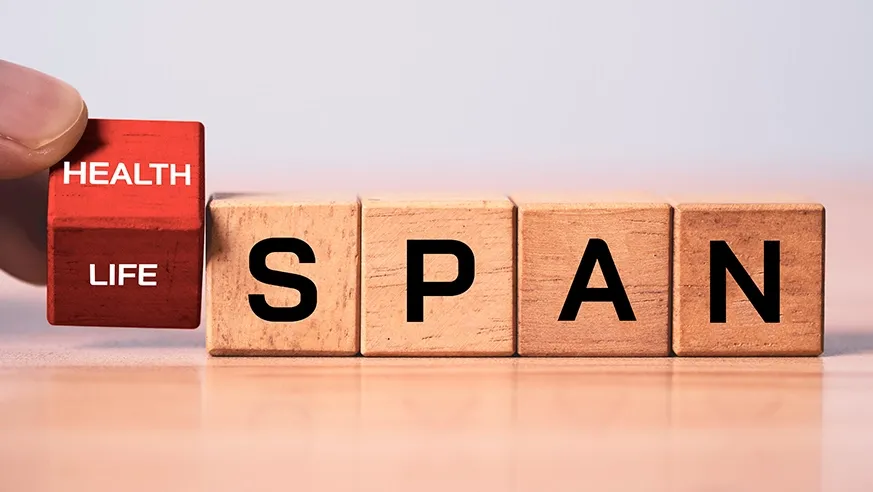
Everyone’s Talking About ‘Healthspan.’ What Does That Mean?
Anti-aging is out. Aging well is in. Learn how a new concept is changing the conversation around health.
July 23, 2026
Browse trusted savings on products that provide medical alerts and other senior safety services. Search by brand, newest product, most popular, or price.
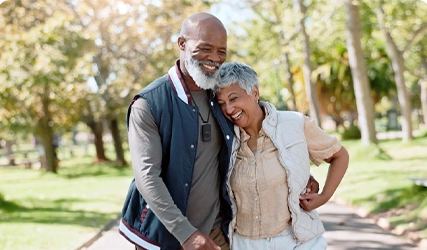
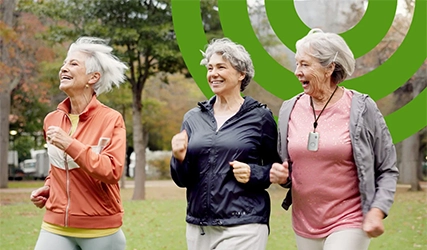

MobileHelp is an award-winning leading provider of on-the-go and home-based medical alert systems.
From $25.95


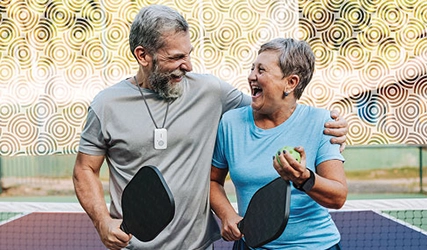

Named “Best Overall” medical alert systems as voted by the National Council on Aging, Medical Guardian makes wearable and at-home devices that keep you safe.
From $27.95
Medical emergencies can happen without warning, especially for older adults who live alone or have mobility challenges. More than 1 in 4 adults age 65 and older reports falling each year, and falls send approximately 3 million older Americans to the emergency room annually. A medical alert system can provide a quick, reliable way to call for help when reaching a phone may not be possible. Wearable buttons and at-home devices make it possible to contact a trained response center quickly during a fall, sudden illness, or other emergency.
Today’s systems are easy to use and may include automatic fall detection, GPS location tracking, and two-way communication. Just as importantly, they can give older adults greater confidence to remain independent and offer valuable peace of mind to their families.
Whether you need an on-the-go or home-based medical alert system depends on several factors. Both types generally provide one-button access to a continuously staffed response center. Learn more about how they work.
| Feature | Wearable/On-the-Go System | At-Home System |
|---|---|---|
| Where it works | At home and away from home, wherever cellular coverage is available | In and around the home, within range of the base unit |
| How it is worn | As a pendant, wristband, smartwatch, or belt-clip device | A lightweight help button is typically worn as a pendant or wristband |
| Calling for help | Pressing the button connects the user to a 24/7 monitoring center through the wearable device | Pressing the wearable button sends an alert through the home base station |
| Power needs | Rechargeable and must be charged regularly; battery life varies by device | Base unit remains plugged in and may include a backup battery; wearable buttons typically have long-lasting batteries |
| Best for | Active older adults who regularly leave home, drive, walk outdoors, shop, or travel locally | Older adults who spend most of their time at home and want a simple, often more affordable option |
Look for a device with long battery life, low-battery alerts, and enough power to remain reliable throughout your normal routine.
For an on-the-go system, confirm that GPS and cellular coverage are dependable in the places where the device will most often be used.
Choose a system with a large, easy-to-press button that quickly connects the user to a trained emergency-response specialist.
Automatic fall detection provides an additional layer of safety in case someone is unable to press the help button after a fall.
Anti-aging is out. Aging well is in. Learn how a new concept is changing the conversation around health.
July 23, 2026