Anti-aging is out. Aging well is in. Learn how a new concept is changing the conversation around health.
For generations, discussions about aging focused on one thing: How long can we live? Today, researchers, clinicians, and older adults have a different focus: How long can we live well?
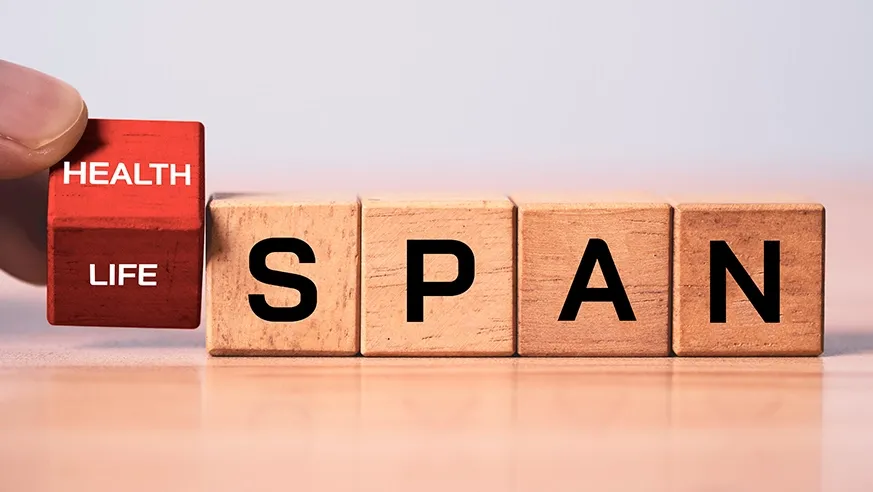
That question is at the heart of ‘healthspan,’ an increasingly popular topic in medical journals, wellness trend reports, and conversations about healthy aging. Unlike lifespan—the total number of years you are alive—healthspan refers to the years you spend in good health. The ability to think clearly, move comfortably, and manage everyday activities with a meaningful degree of independence make up your healthspan, regardless of whether you live to be 70 or 100.
The distinction between living long and living well is increasingly important. According to the Centers for Disease Control and Prevention, Americans’ life expectancy is 79 years, higher than it’s ever been, even though many of those years may not be spent in good health. In a recent report for Mayo Clinic Proceedings, Mayo Clinic geriatrician Christina Chen, M.D., described the phenomenon of more people living longer with chronic illness, mobility limitations, cognitive changes, and increasing dependence on others for their care. She noted that a healthspan approach looks beyond survival metrics and focuses on function, cognition, quality of life, and the ability to remain independent as markers of good health.
Healthspan Is About What You Can Do
So, how do you determine your own healthspan? Quantifying it isn’t easy. There is no single test that measures it. You might equate it with lack of illness, but experts say it’s possible to have a long healthspan without being completely free of age-associated diseases.
You could live with arthritis or diabetes, for example, and still have a strong healthspan if those conditions are well-managed and you are able to continue doing activities like gardening, traveling, or volunteering that bring you joy.
Mayo Clinic researchers describe healthspan in terms of preserved physical function, mental sharpness, and independence. Doctors can evaluate each of those areas using practical measures such as walking speed, cognitive screening, and patients’ own reports of how well they are managing daily life. The ability to climb stairs, lift heavy bags, and complete brain-stimulating activities like crossword puzzles could all serve as an approximation for how well someone is able to live, if not how long.
Why Healthspan Is Suddenly Everywhere
As lifespans around the world increase, preventing or delaying diseases that make day-to-day living difficult has become an economic and societal priority.
The McKinsey Health Institute estimates that age-related diseases account for roughly one-third of the global disease burden. Its analysis found that investment in healthspan-related biotechnology has risen sharply, along with a 27% growth in longevity-focused clinical trials between the 2013 and 2022.
Researchers are studying not just individual diseases but also the underlying biological processes that contribute to aging. These include chronic inflammation, cellular damage, and the slowdown in tissue repair that occurs as we get older. Scientists hope that this research may one day support the development of treatments that address multiple age-related problems at once rather than treating each disease individually.
Of course, some of the fundamental tools to improve one’s healthspan don’t require breakthrough medication or technological innovation at all: Eating well and exercising more won’t make any headlines, but they are highly effective ways to improve healthspan—and within each person’s control.
Rethinking Good Health
The healthspan conversation is part of a larger cultural shift away from the anti-aging obsession of decades past. A 2026 trends report from the Global Wellness Institute describes functional longevity as an emerging priority among adults over 50. Rather than trying to look like someone half their age, many older adults are focusing on what their body can do: How far can they walk? How many stairs can they climb? Can they keep up with the people and activities they love?
This focus on quality of life has sparked a renewed interest in the healthy behaviors that support it. The McKinsey report identifies physical activity, nutrition, sleep, and social connection as essential contributors to healthspan.
Keep Moving
Physical activity supports your heart, brain, bones, muscles, and metabolism. Along with aerobic activities like walking, strength exercises help limit age-related muscle loss, while balance work can make everyday movements safer and easier.
The best routine is the one you’ll actually do, which means choosing activities that match your current fitness level. For some people, that may be brisk walking and exercises with resistance bands. For others, it might involve water aerobics, chair exercises, or short, supported walks using a mobility aid.
Eat for Long-Term Health
A healthy eating pattern emphasizes vegetables, fruits, beans, whole grains, nuts, healthy fats, and adequate protein, while limiting heavily processed foods and excess added sugar.
Protein is important with age because it helps the body maintain muscle, which naturally diminishes as you get older. People who have heart disease, kidney disease, or diabetes should ask a healthcare professional or registered dietitian for individualized guidance.
Your healthspan is built on habits developed over many years, so rather than making radical changes to your diet that are only sustainable for a week or two, look for small adjustments in how you eat that tip the scales toward more fresh produce and less ultra-processed food.
Prioritize Sleep
Sleep supports memory, immune function, metabolism, and emotional well-being. Ongoing sleep disruptions, which can plagued older adults, are not something you should simply accept. Tell your doctor about persistent insomnia, loud snoring, restless legs, or significant daytime sleepiness. Sometimes, sleep problems can be related to medications you are taking, pain caused by issues such as arthritis, sleep apnea, or other treatable health concerns.
Protect Your Relationships
Social connection is increasingly viewed as part of health rather than merely an enjoyable extra. Feeling isolated from your community—an experience exacerbated by mobility challenges that can come with age—can have a measurable impact on healthspan, per the McKinsey report.
You can support health aging by consciously seeking out social connection through local community classes, calling a friend regularly, volunteering, attending religious or community gatherings, or asking for help with hearing or transportation problems that make socializing harder.
The Global Wellness Institute also identifies purpose and contribution as central themes in healthy aging, noting that there has been a growing interest among older Americans in mentoring, creative programs, and volunteering, all of which encourage social interaction while also providing a sense of giving back to the community.
Stay Current With Preventive Care
Checkups, health screenings, and appropriate vaccinations can detect or prevent problems before they cause a larger loss of function or decline in your health.
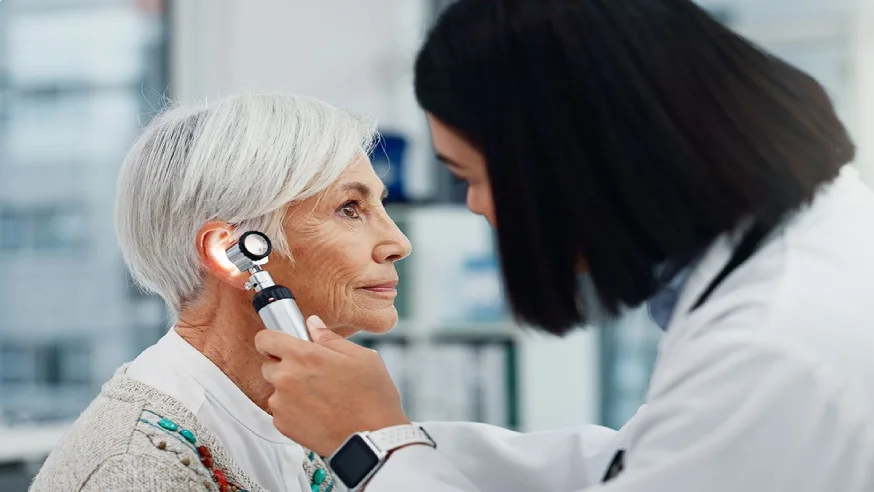
Vision, hearing, and dental care matter, too. Loss of sight or changes in how you hear can influence your balance, along with your ability to communicate. Numerous studies show hearing loss is a primary contributor to depression in older adults.
See your doctor as a partner in preventive health. Don’t wait until you feel ill to seek their counsel. Instead, use your regular checkups to ask questions like: “What can I do now to preserve my strength, mobility, and independence?”
Be Wary of Healthspan Hype
Interest in longevity is a booming business, resulting in an expanding menu of supplements, hormone programs, and high-priced longevity clinics promising to extend your healthspan. Some services may be legitimate. Others are just cashing in on the trend. Beware of businesses marketed as longevity centers that focus primarily on aesthetic services with little grounding in established science, McKinsey notes.
Claims to reverse aging, detoxify cells or add a precise number of years to your life deserve skepticism. Always discuss supplements with your doctor before taking them, even if they seem benign. “Natural” does not automatically mean safe, and some supplements can interact with prescription drugs.
Mostly though, the healthspan trend is one to celebrate. No more of this “growing old gracefully” chatter. Living well longer is the new kid in town, and by changing the focus from how many years someone lives to how well they live them, it gives every person the power to make a meaningful difference to their future.
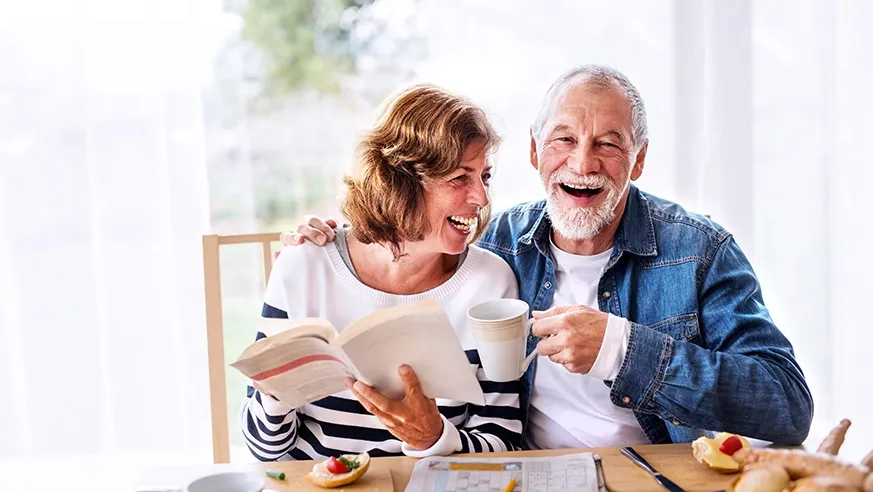
Bottom line? A long life is great. A long life with more mobility, clarity, and independence is even better.
Sources
Life Expectancy: Centers for Disease Control and Prevention. (2026.) “Mortality in the U.S. (2024.)” https://www.cdc.gov/nchs/products/databriefs/db548.htm
Healthspan: Mayo Clinical Proceedings. (2026.) “Healthspan as a Clinical Outcome: Reframing Longevity in Modern Medicine.” https://www.mayoclinicproceedings.org/article/S0025-6196(26)18477-8/abstract
Healthspan Discussion: Mayo Clinic News Network. (2026.) “Rethinking aging: Why ‘healthspan’ matters as much as lifespan.” https://newsnetwork.mayoclinic.org/discussion/rethinking-aging-why-healthspan-matters-as-much-as-lifespan/
Trends in Healthspan: McKinsey Health Institute. (2025.) “Healthspan Science May Enable Healthier Lives for All.” https://www.mckinsey.com/mhi/our-insights/healthspan-science-may-enable-healthier-lives-for-all#/
Aging Well: Aging Well Institute. (2026.) “2026 Aging Well Initiatives Trends.” https://globalwellnessinstitute.org/global-wellness-institute-blog/2026/04/03/aging-well-initiative-trends-for-2026/
Strength Training Benefits: Age and Ageing. (2018.) “Effects of resistance training, endurance training and whole-body vibration on lean body mass, muscle strength and physical performance in older people: a systematic review and network meta-analysis.” https://academic.oup.com/ageing/article/47/3/367/4868620
Exercise and Balance: British Medical Journal. (2019.) “Exercise for preventing falls in older people living in the community: an abridged Cochrane systematic review.” https://bjsm.bmj.com/content/bjsports/54/15/885.full.pdf
Diet: Harvard Health. (2023.) “Healthy Eating plate.” https://nutritionsource.hsph.harvard.edu/healthy-eating-plate/
Protein for Older Adults: Nutrients. (2016.) “Protein Consumption and the Elderly: What Is the Optimal Level of Intake?” https://pmc.ncbi.nlm.nih.gov/articles/PMC4924200/
Sleep and Memory: Physiological Reviews. (2026.) “Sleep’s Contribution to Memory Formation.” https://journals.physiology.org/doi/full/10.1152/physrev.00054.2024
Sleep and Immune Function: National Institutes of Health. (2022.) “NIH-funded study shows sound sleep supports immune function.” https://www.nih.gov/news-events/news-releases/nih-funded-study-shows-sound-sleep-supports-immune-function
Sleep and Metabolism: Cell. (2025.) “Neuroendocrine circuit for sleep-dependent growth hormone release.” https://www.cell.com/cell/fulltext/S0092-8674(25)00626-9
Sleep and Emotional Well-Being: Neuropsychologia. (2025.) “Disentangling Sleep’s Role in Emotion processing.” https://www.sciencedirect.com/science/article/abs/pii/S0028393225002040
Hearing Loss and Depression: Journal of Psychiatric Research. (2024.) “Relationship between hearing loss and depression: A cross-sectional analysis from the National Health and Nutrition Examination Survey 2015–2018.” https://www.sciencedirect.com/science/article/abs/pii/S002239562400428X